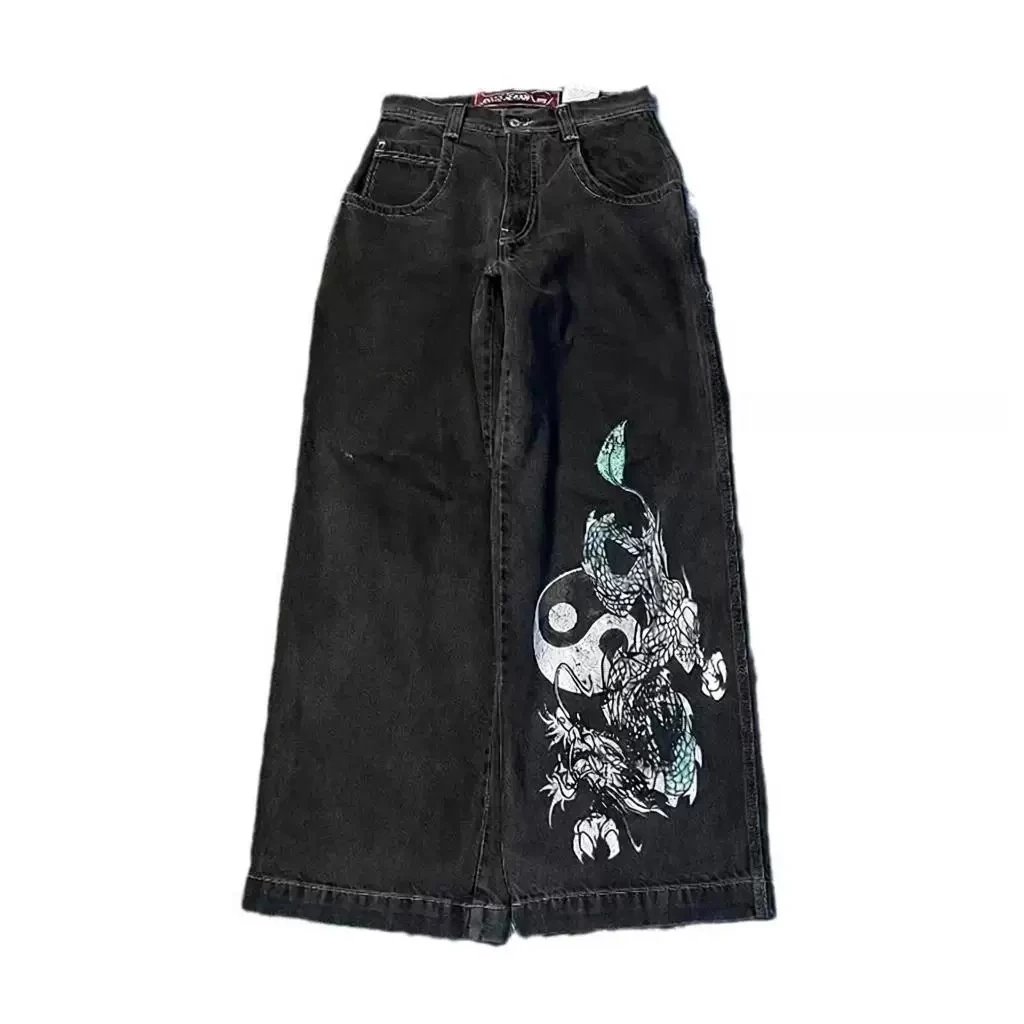
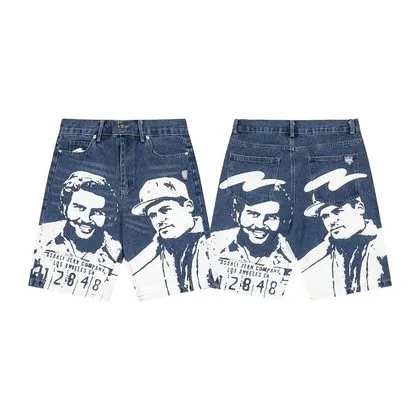
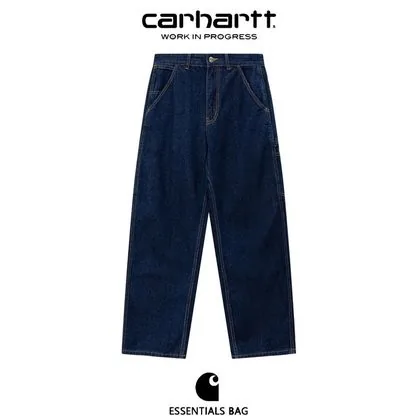
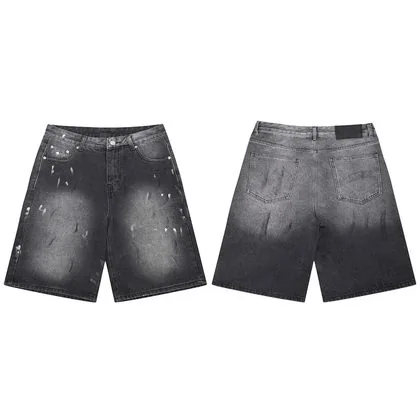
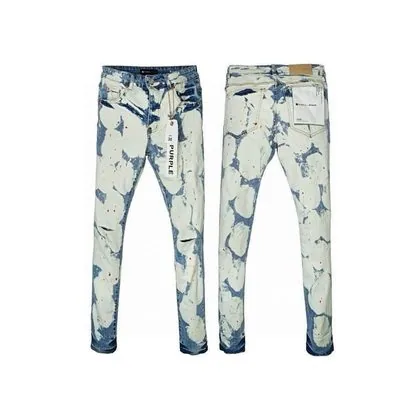
Denim weight, wash and why reps are hard to get right
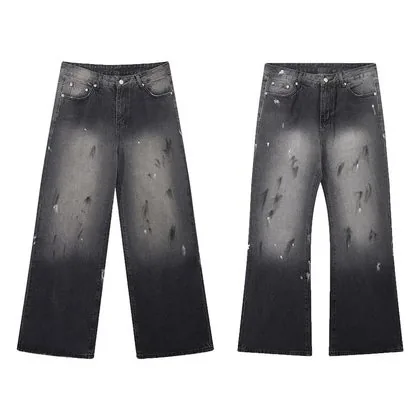
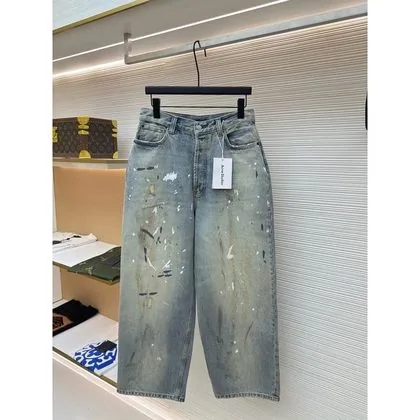
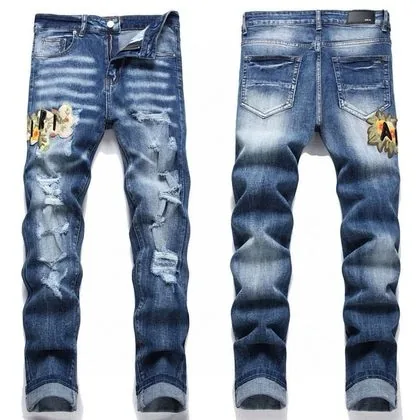
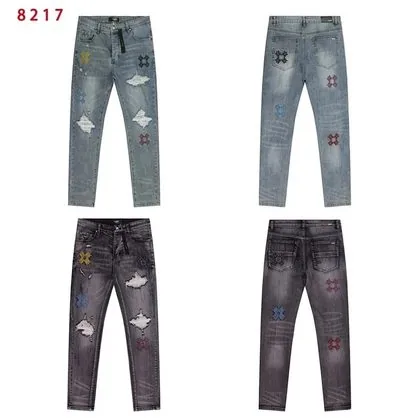
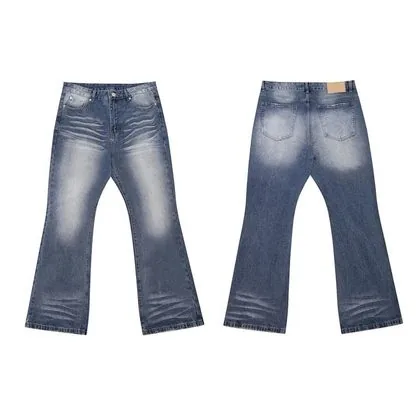
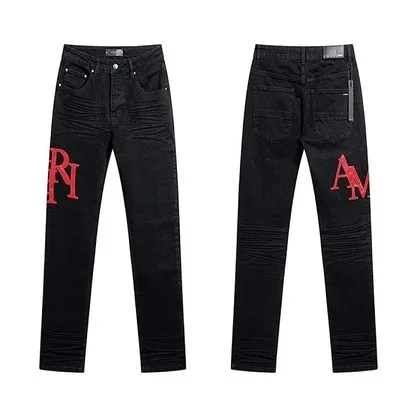
Denim is the hardest category to replicate well, because the character comes from the yarn and the wash process rather than the pattern. A rep can copy the cut perfectly and still lose on the fading.
Weight is the number to check: 12 oz is light, 13-14 oz is standard, 16 oz is heavy selvedge territory that takes months to break in. Fades on a rep are almost always applied, not natural, so look at the contrast in QC photos.
Waist, inseam and how rep jeans actually fit
Rep jeans generally run true to the retail waist, but vanity sizing is common on fashion brands — a "32" from a luxury label may measure 34 inches. Always go by the stated centimetre measurement on the product page.
Inseam matters more than people expect. Stacking is a look, but if the inseam is more than 4 cm longer than you need, the knee break will sit in the wrong place and the whole silhouette changes.
Measure a pair you already wear: waist flat across the top, then inseam from crotch seam to hem. Those two numbers are all you need.
How to avoid the bad denim batches
Check four things: the selvedge edge if the retail has one, the rivets (should be metal, not plastic), the stitching density on the outseam, and the label patch.
Denim is also the category where washing matters most. Wash inside out, cold, and never tumble dry — that is what makes a rep jean last three years instead of one.
Part of the K-Shop rep spreadsheet. Every find here sits inside one rep spreadsheet — an agent spreadsheet with 600+ items, QC photos on request and direct links into 14 shopping agents — OOPBUY, Kakobuy, HipoBuy, LitBuy, CNFans, MuleBuy, Superbuy, Sugargoo, CSSBUY, Joyagoo, OSSBUY, Hoobuy, AllChinaBuy and LoveGoBuy. Items come from Weidian, Taobao and 1688 sellers and are routed through your agent's warehouse, so QC photos, consolidation and tracked shipping all happen in one place.
Frequently asked questions about Jeans Reps
Do rep jeans fit true to size?
Mostly yes, but luxury brands use vanity sizing. Go by the centimetre waist measurement on the product page, not the label number.
What denim weight should I look for?
13-14 oz for year-round wear, 16 oz for heavy selvedge. Anything under 12 oz feels thin.
Are rep jeans' fades natural?
Almost always applied with a wash process, not natural wear. Look at the contrast in QC photos — overly sharp fades are the common flaw.
How do I measure my jeans size?
Lay a pair flat, measure the waist across the top and double it, then measure the inseam from the crotch seam to the hem.
Which denim brands are in this spreadsheet?
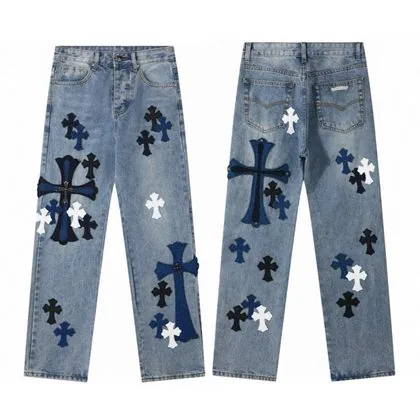
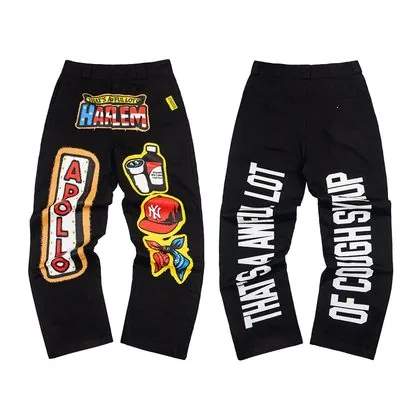
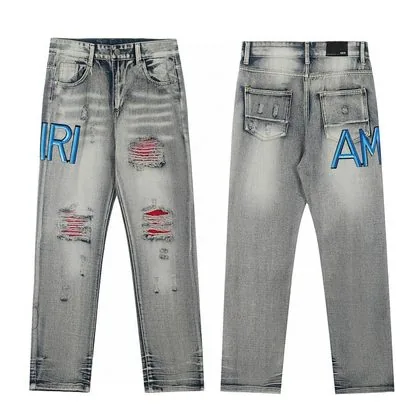
The page covers Amiri, Chrome Hearts, Y2K wide-leg styles, plus workwear and selvedge cuts.