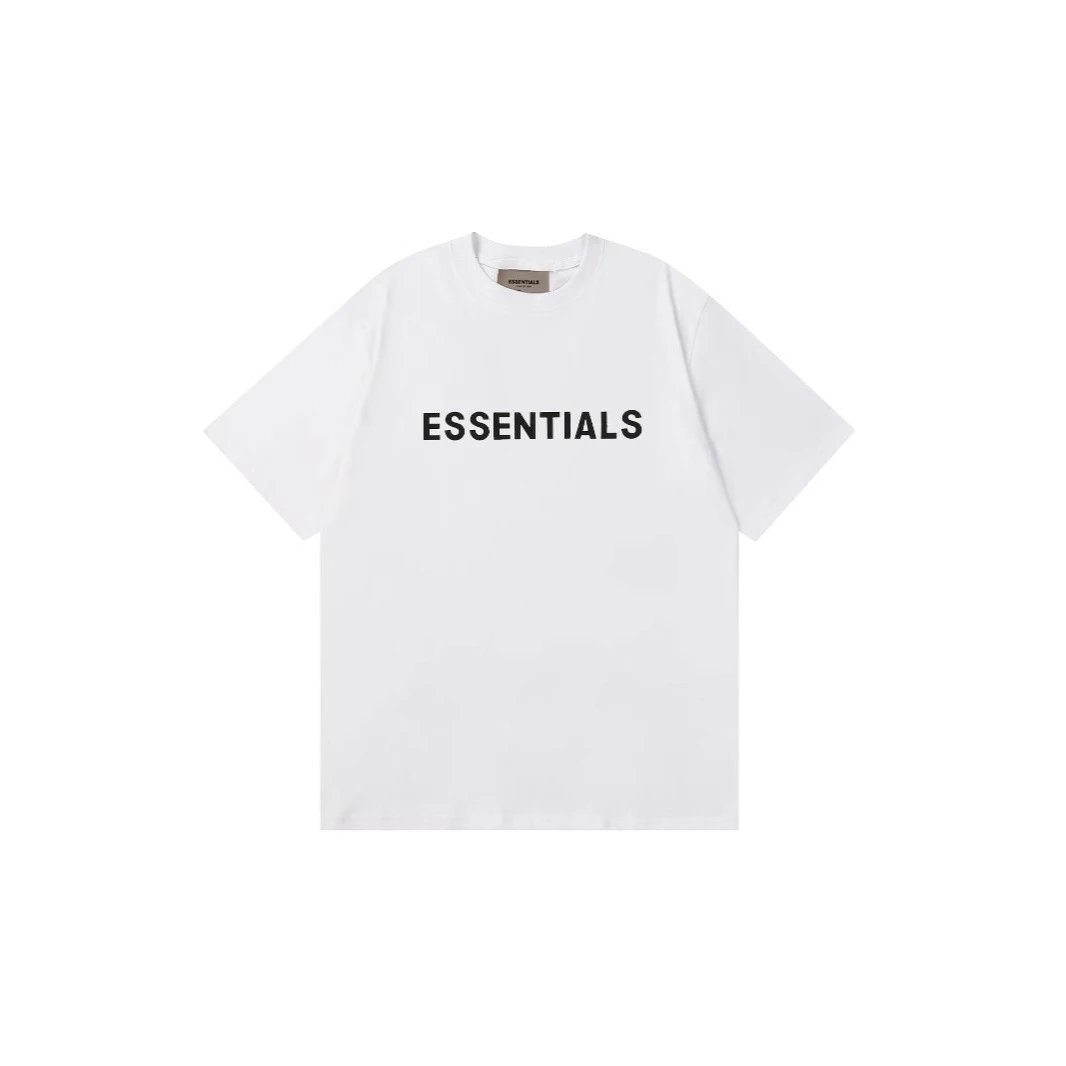
Essentials (Fear of God) T-Shirt
$10.82¥65

Ralph Lauren T-Shirt
$9.15¥55
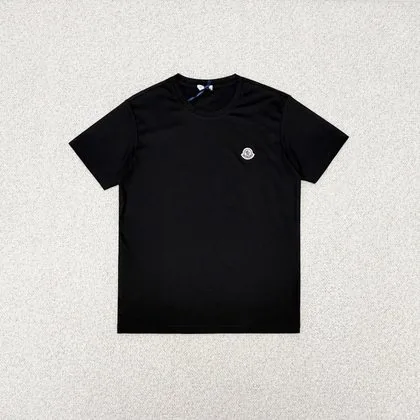
MONCLER T-shirt
$16.47¥99
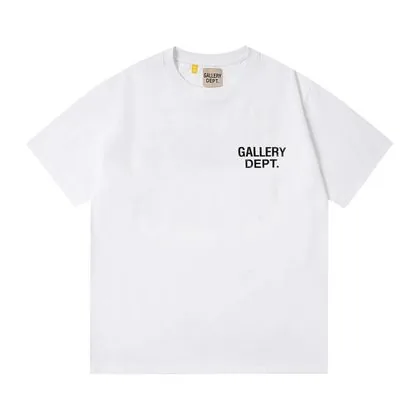
GALLERY DEPT T-shirt
$16.97¥102
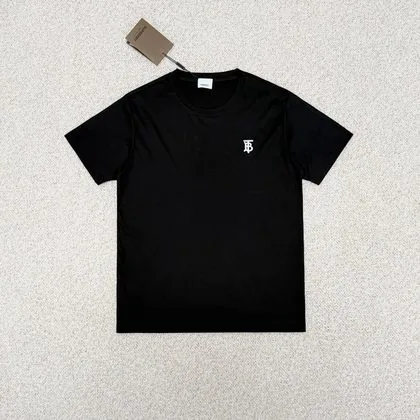
Burberry T-shirt
$17.47¥105
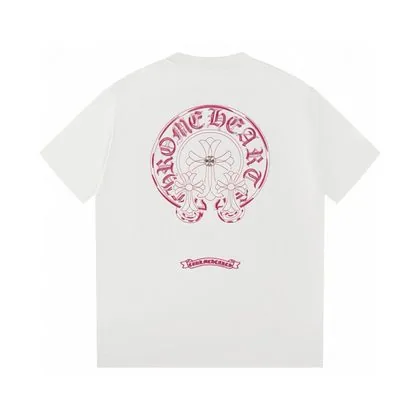
Chrome Hearts T-shirt
$24.46¥147
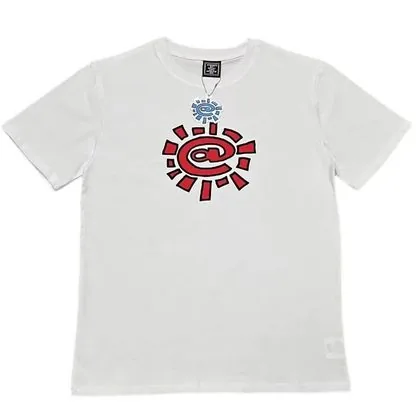
ADWYSD T-shirt
$18.30¥110
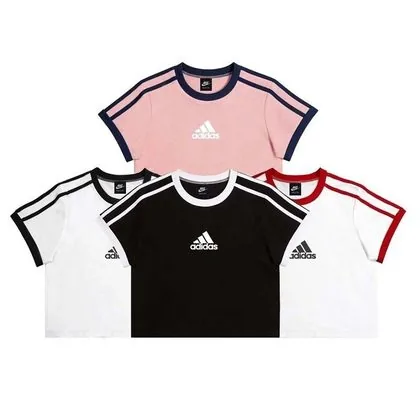
ADIDAS T-shirt
$14.31¥86
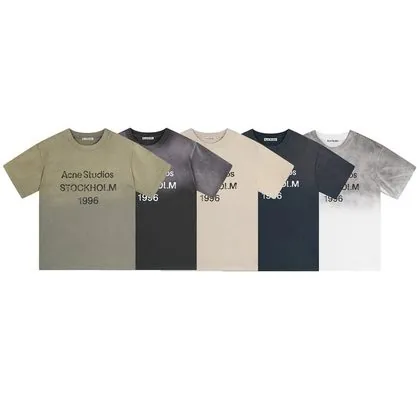
Acne Studios T-shirt
$19.47¥117
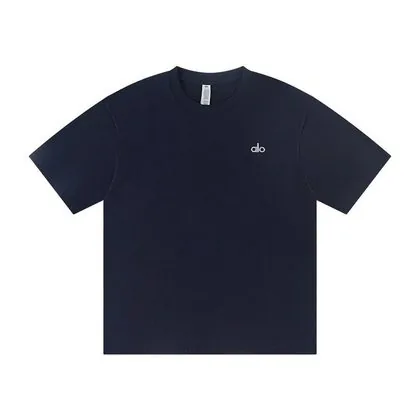
alo T-shirt
$16.47¥99
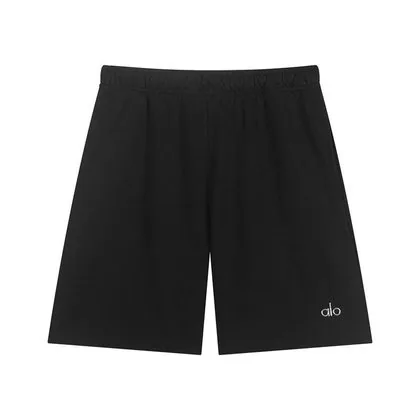
alo T-short
$20.30¥122
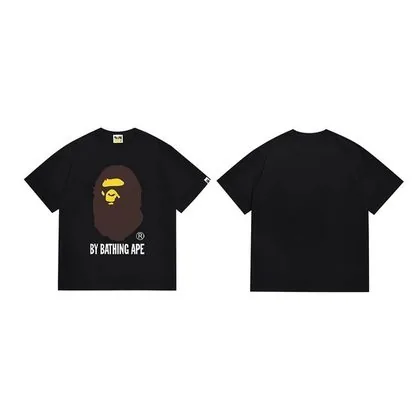
BAPE T-shirt
$22.46¥135
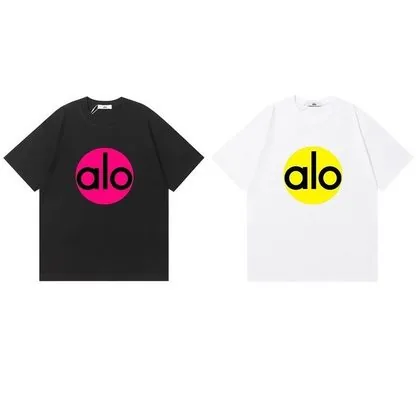
alo T-shirt
$17.97¥108
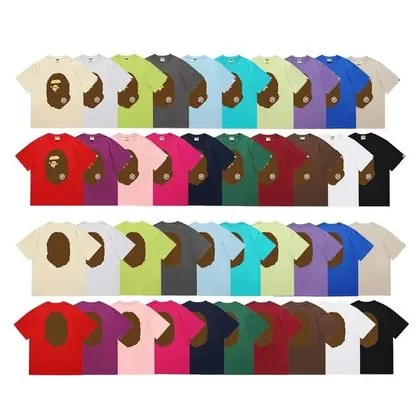
BAPE T-shirt
$22.46¥135
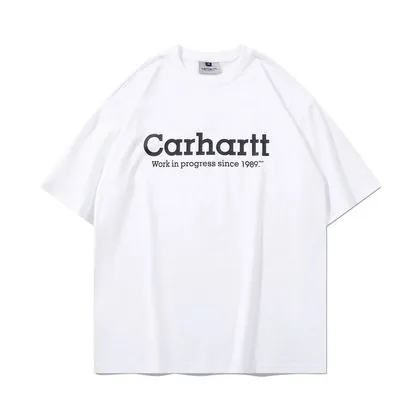
Carhartt T-shirt
$38.94¥234
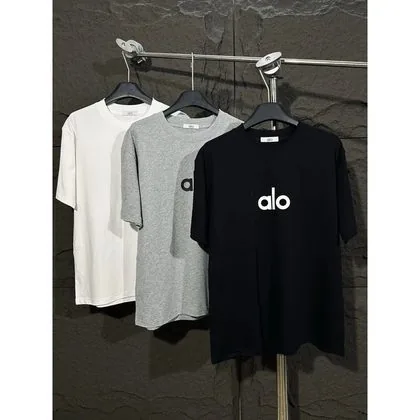
alo T-shirt
$16.47¥99
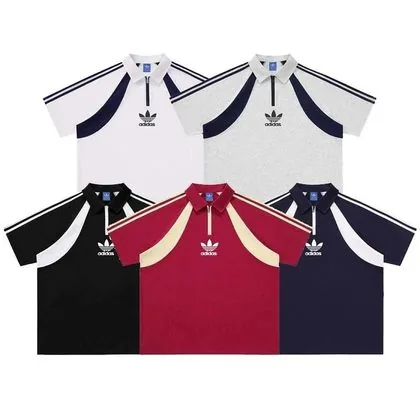
ADIDAS-Tshirt
$19.47¥117
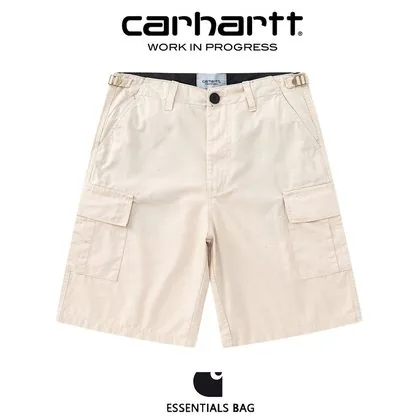
Carhartt T-Short
$49.42¥297
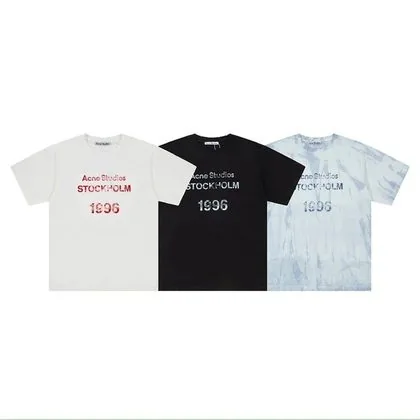
Acne Studios T-shirt
$19.47¥117
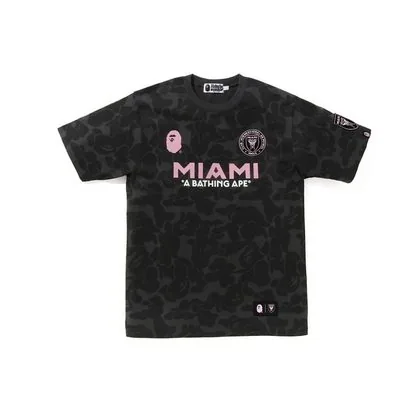
BAPE T-shirt
$14.98¥90
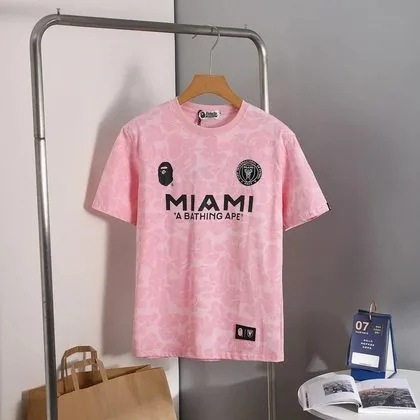
BAPE T-shirt
$16.47¥99
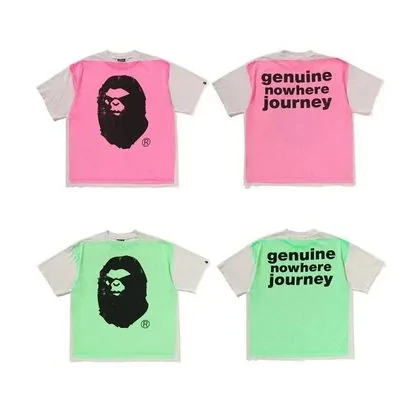
BAPE T-shirt
$20.30¥122
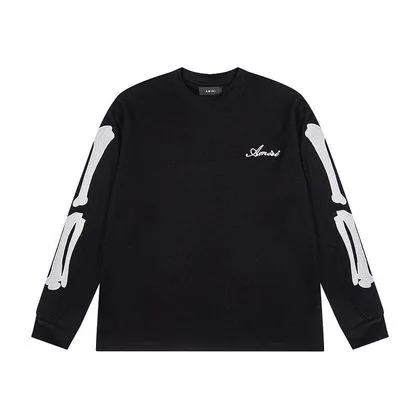
AMIR Crew-neck sweatshirt
$25.46¥153
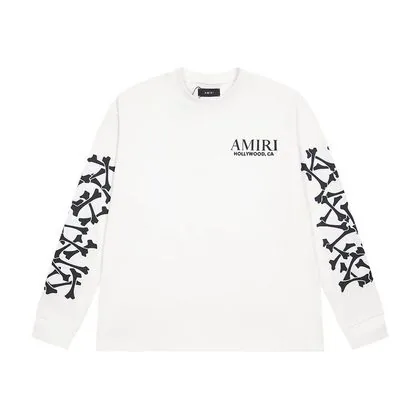
AMIR Crew-neck sweatshirt
$20.97¥126
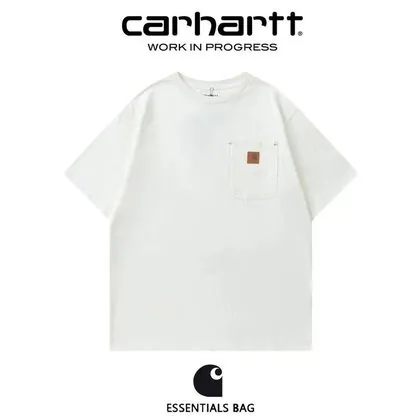
Carharrt T-shirt
$13.48¥81
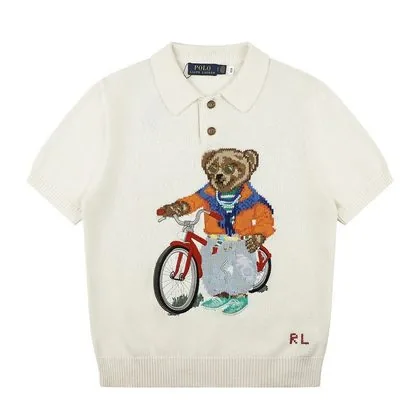
Ralph Lauren Sweatshirt
$62.23¥374
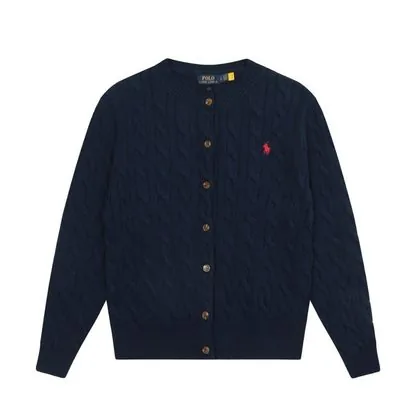
Ralph Lauren Sweatshirt
$28.29¥170
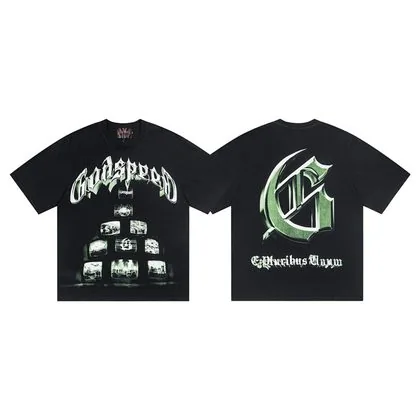
GOD SPEED T-shirt
$13.48¥81
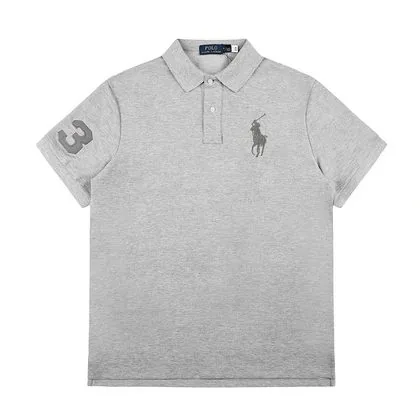
Ralph Lauren T-shirt
$20.63¥124
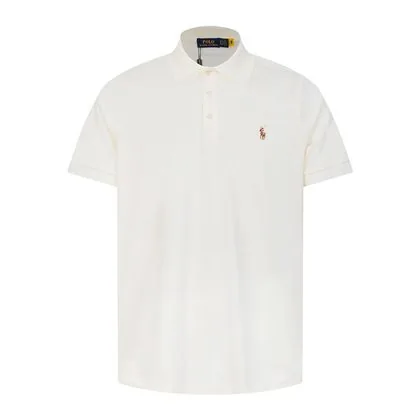
Ralph Lauren POLO T-shirt
$21.13¥127
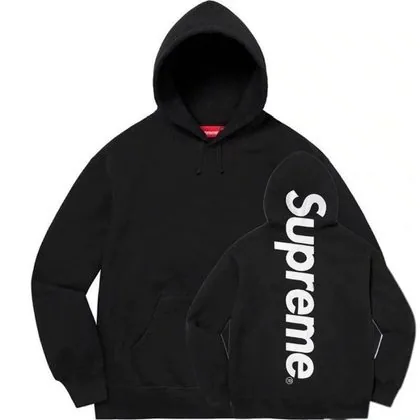
Supreme Hoodie and Sweatshirt
$32.45¥195
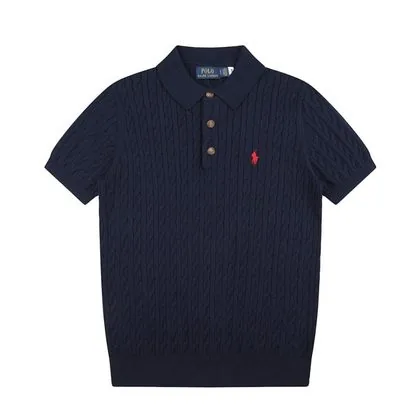
Ralph Lauren POLO T-shirt
$22.30¥134
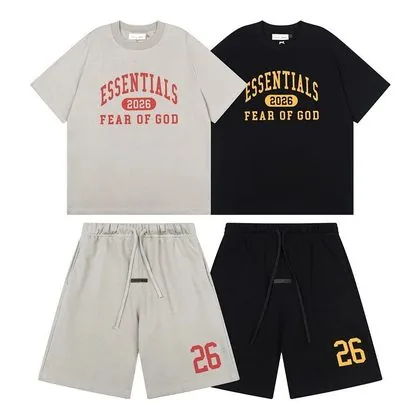
ESSENTIALS (FEAR OF GOD) T-shirt Set
$10.98¥66
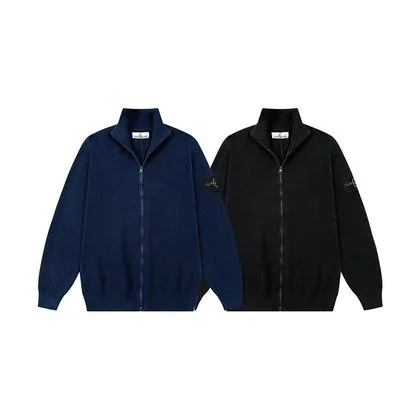
ISLAND STONE Hoodie and Sweatshirt and Jacket
$18.80¥113
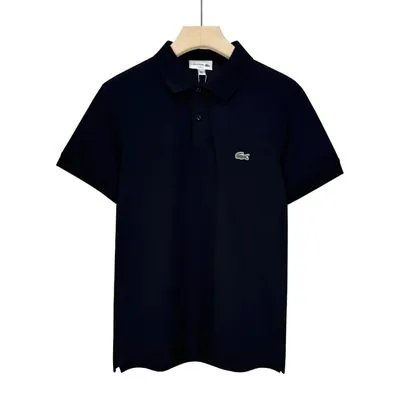
LACOSTE POLO T-shirt
$19.13¥115
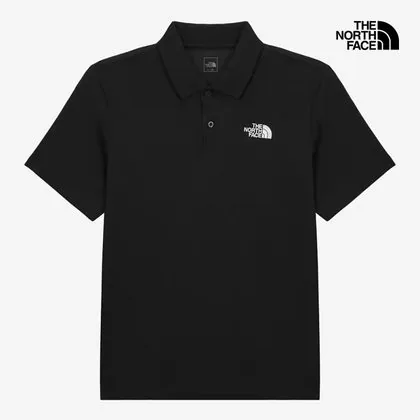
The North Face Polo T-shirt
$19.80¥119
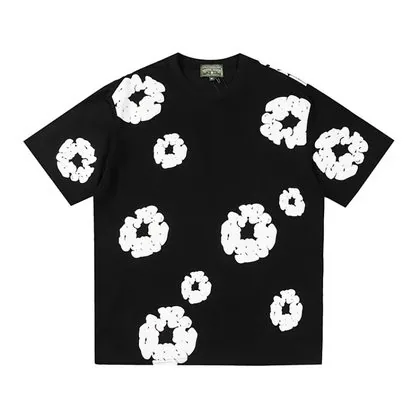
Corteiz T-shirt and short
$13.48¥81
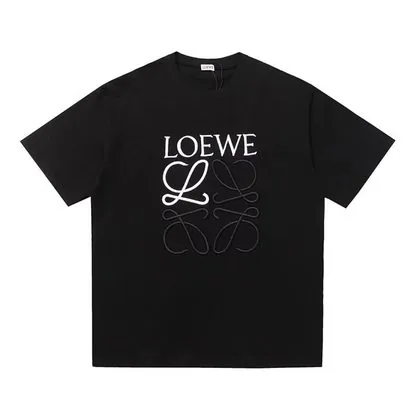
LOEWE T-shirt
$20.63¥124
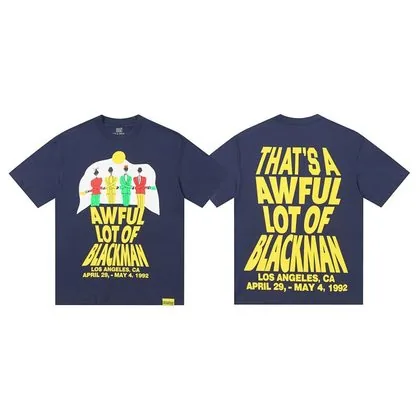
THAT'S T-shirt
$15.47¥93
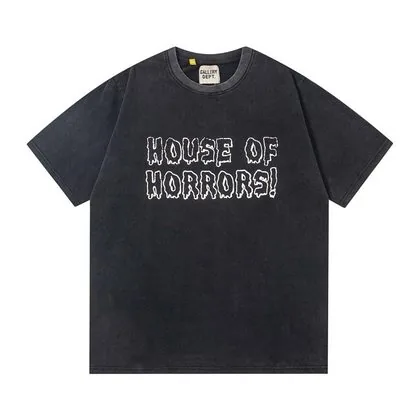
GALLERY DEPT T-shirt
$16.31¥98
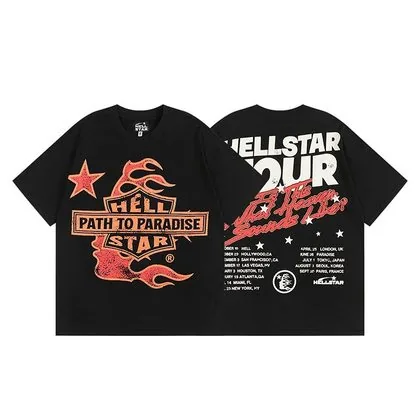
HELL STAR T-shirt
$15.47¥93
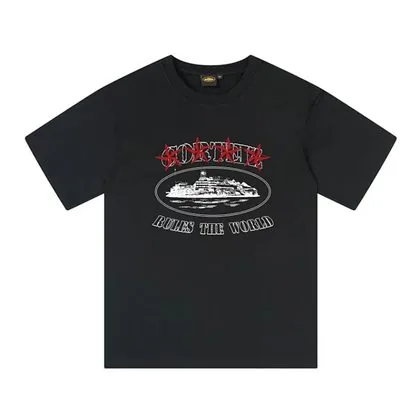
Corteiz T-shirt and short
$12.65¥76
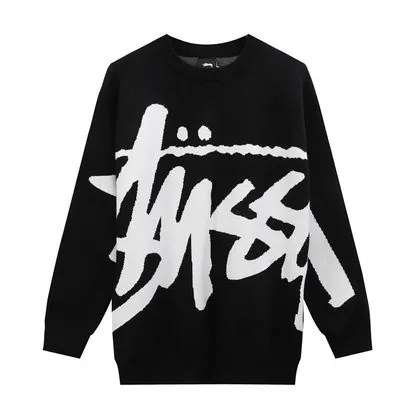
Stussy Sweatshirt
$18.80¥113
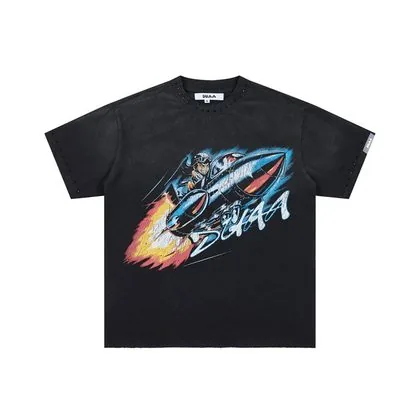
Duaa TEE T-shirt
$21.13¥127
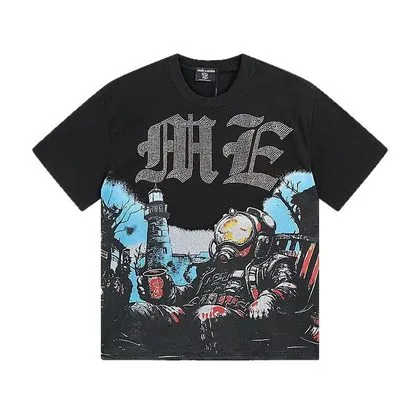
Emotion T-shirt
$13.81¥83
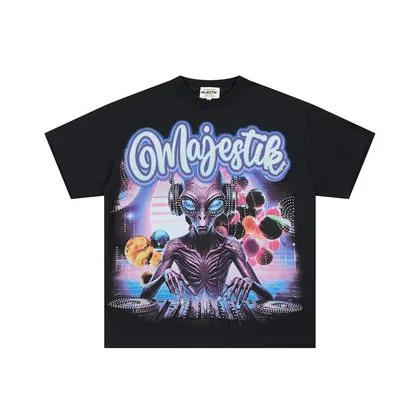
MAJESTIK T-shirt
$15.47¥93
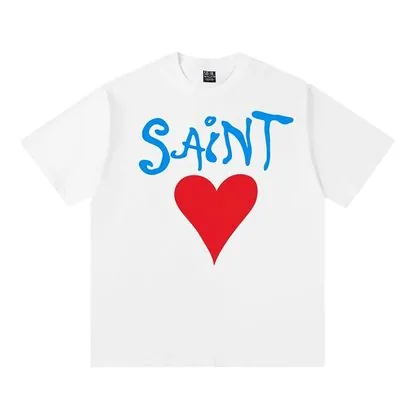
SAINT T-shirt
$19.47¥117